

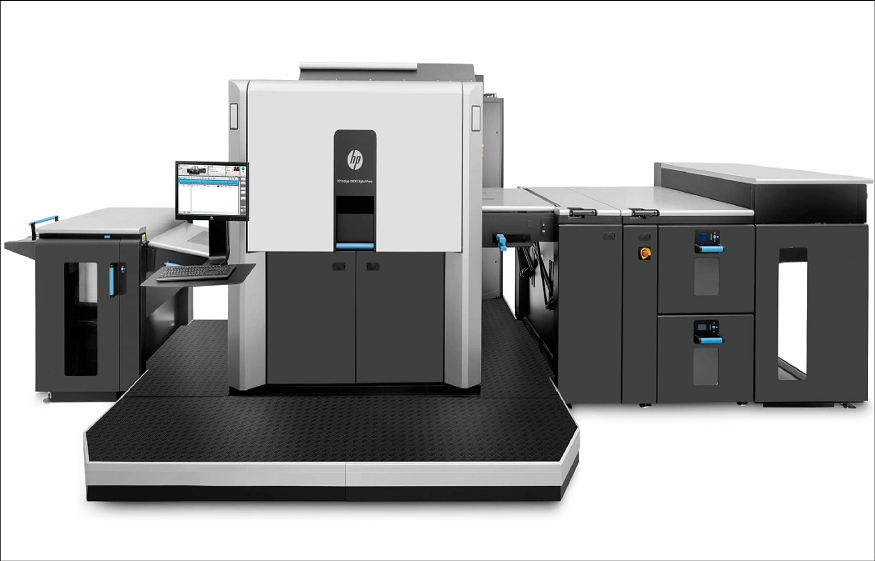
On demand book printing is transforming the way authors, publishers and businesses bring their stories and ideas to life. Instead of printing thousands of copies in advance and storing them for months, this innovative method allows books to be printed only when there is an order. Whether you are a self published author launching your first novel or a large organization producing corporate materials, on demand book printing offers a smarter, faster and more economical path to publishing.
The publishing world has seen a massive shift in recent years. Traditional printing requires huge upfront investments, long lead times and warehouse management. As reader preferences evolve and digital sales increase, printing large quantities of physical books has become riskier than ever. This is why on demand production has surged. It delivers flexibility from content creation to final distribution making it an attractive solution for modern publishing needs.
Understanding What On Demand Book Printing Means
On demand printing is a digital production process where books are printed in smaller batches or even one at a time based on actual orders. The process uses advanced printing technology that ensures professional quality with high resolution text and images. Unlike offset printing which requires setup fees and is ideal for mass production, print on demand allows anyone to publish without worrying about excessive costs.
In this model the book file is stored digitally. When a customer places an order the automated system sends the file to a printer which produces the book and ships it directly to the customer or author. There is no inventory risk and no need to estimate future demand. Every copy printed serves a real buyer.
Why On Demand Book Printing is Rising in Popularity
The rise of independent authors and niche publishing has fueled demand for low risk printing strategies. The ability to avoid bulk printing is a major advantage but there are many other reasons why this approach has become a leading choice for publishers.
First the cost structure is more favorable for smaller print runs. Authors do not have to spend thousands of dollars upfront. Second it empowers faster publishing. Once the final file is ready books can be available for purchase online within days. Third on demand printing supports global reach. A book can be printed and delivered locally in multiple regions which reduces shipping times and expenses.
Additionally sustainability plays a huge role in the shift toward on demand production. Traditional printing often results in unsold copies that eventually become waste. By printing only what is needed the carbon footprint decreases and resource consumption is minimized.
How the Process Works from File to Finished Book
The journey of an on demand printed book begins with a digital manuscript. Authors format their content and upload it to a print provider’s system. The printer checks the specifications including page size margin alignment and cover design. Once approved the book is stored as a print ready file.
When a buyer places an order the digital file is retrieved automatically. The printing equipment uses high quality digital presses to print pages and covers with sharp ink and durable paper. After printing the pages are cut and bound using professional binding methods such as perfect binding or hardcover casing. Finally the book undergoes quality inspection before being packaged and shipped to its final destination.
Each step is highly automated which reduces production time. In most cases customers receive books within a few days even if it is the very first printed copy.
Key Benefits That Make It a Game Changer
The advantages of on demand book printing extend to authors retailers and publishers alike. Independent authors gain creative control by avoiding the pressure to print large quantities. They can easily update their content which is ideal for guidebooks educational materials and technical subjects where facts change regularly.
Retailers also benefit because they do not have to stock physical inventory. This eliminates storage costs and allows them to list a wider variety of titles without worrying about overstock. Publishers reduce financial risk while experimenting with new authors genres and formats.
Another major benefit lies in customer satisfaction. Readers get exactly what they want and can order books from anywhere in the world. Faster fulfillment and access to more diverse catalogues enhance the overall buying experience.
Who Should Consider On Demand Book Printing
This modern approach is perfect for anyone who wants to publish with confidence. First time authors can test the market before committing to bulk printing. Small publishers handling niche topics can maintain profitability even with low sales volume. Educational institutions can produce textbooks in smaller editions for specific courses which prevents outdated content from piling up.
Corporations use on demand services to print training manuals catalogues and branded materials that often need frequent updates. Even creative professionals such as photographers and designers use this method to create high quality portfolios for clients.
Libraries and bookstores are also adopting print on demand solutions making it easier to offer rare or out of print titles without maintaining extra stock.
Challenges to Consider Before Choosing On Demand Printing
Although on demand book printing offers many strengths it is not without challenges. The cost per book can be higher compared to offset printing especially for large production runs. If a title becomes extremely popular printing thousands of copies at once may become more economical.
There may also be limitations on customization options like specialty paper finishes foil stamping and unique trim sizes depending on the provider. Some authors may prefer the look and feel of traditional offset printing although digital printing continues to improve in quality year after year.
Another factor to consider is distribution options. While on demand services partner with major online retailers there may be requirements that publishers must meet such as providing ISBN numbers or adhering to strict formatting rules.
How to Choose an On Demand Printing Provider
Selecting the right partner is important for ensuring high quality results. Authors should research available printing services and compare their offerings. Factors such as printing technology binding options shipping network pricing and customer support play an important role.
Providers that offer global printing facilities can help expand distribution reach. A reliable company should also have a user friendly platform for uploading files managing orders and tracking sales. Some services even offer design editing and marketing assistance which can support authors through the entire publishing journey.
Customers should also look at sample books to judge paper quality print clarity and durability. Reading reviews and checking turnaround times will help ensure a smooth publishing experience.
Why the Future of Publishing Belongs to On Demand
The publishing world is becoming more digital and personalized. On demand book printing supports this transformation by giving authors and publishers more freedom and less financial pressure. As technology advances print quality continues to get closer to traditional offset results while offering unmatched flexibility.
Trends like self publishing and e commerce are shaping reader expectations. People want quick delivery and access to titles that match their interests. On demand ensures that publishers only produce books that customers genuinely want. This approach allows content to remain fresh relevant and widely accessible.
In the years ahead invention and automation will continue to refine the process. More customization faster turnaround times and expanded global availability will make this model even more attractive. For many creators it has already become the default path to physical publishing.
Conclusion
On demand book printing is more than just a cost saving solution. It represents a complete shift in mindset for the publishing world. By printing only what is needed authors maintain control reduce waste and reach readers faster. It encourages creativity by removing financial barriers for new voices and empowers established publishers to operate more efficiently.
As the industry continues to evolve on demand production will remain a cornerstone of modern publishing. It blends technology convenience and sustainability into a process that benefits everyone involved. Anyone looking to bring a book to life should consider exploring this powerful approach to publishing.